The Top 10 AI Art Styles Users Love
1. Photorealism
When you need images that look like real photos - even if the subject doesn’t exist - photorealism delivers. This style is popular for product mockups, portraits, and environment design.
Prompts often include terms like: “ultra detailed, high-res, realistic lighting, DSLR depth.”
2. Anime / Manga
From vibrant colors to stylized character features, anime remains a top style - especially among fan artists and indie game designers.
It’s often used to create character art, fantasy scenes, and comic panels, and benefits from clearly defined expressions and exaggerated proportions.
3. Cyberpunk
Glowing lights. Futuristic cityscapes. Neon rain. The cyberpunk aesthetic is hugely popular across AI platforms, often used for concept art, music visuals, and book covers.
Combine with moods like “foggy,” “at night,” or “under neon lights” for best results.
4. Vaporwave / Synthwave
Known for its retro-futuristic aesthetic and nostalgic feel, vaporwave art is perfect for music branding, poster designs, and merch concepts.
Key visual cues: gridlines, purple-pink gradients, palm trees, and outdated tech.
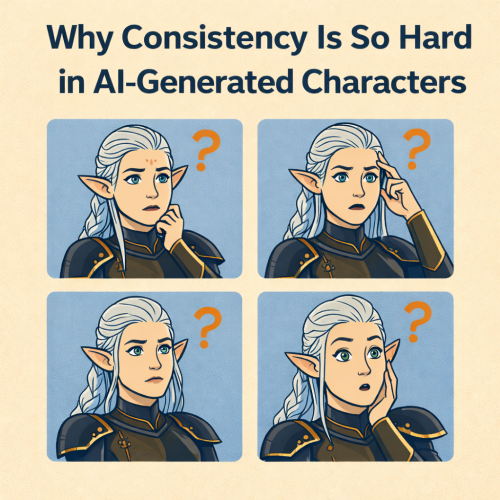
5. Fantasy Concept Art
From elven kingdoms to dragon-ridden skies, fantasy remains a dominant genre - often paired with painterly styles or high-detail realism.
Phrases like “epic scale,” “mythical lighting,” or “inspired by Tolkien art” work well here.
6. Oil Painting / Renaissance
For those seeking depth, elegance, and fine texture, oil painting styles give images a timeless, handcrafted feel. Common use cases include portraits, book illustrations, and museum-like compositions.
7. Pixel Art / Isometric
Retro game devs and indie creators love the pixel-perfect charm of isometric scenes and 8-bit characters. It’s often used for mock games, NFTs, and low-res storytelling.
Great with prompts like “top-down RPG map” or “pixel environment with tiny characters.”
8. Surreal / Dreamcore
Dreamlike, eerie, and sometimes unsettling, surreal art styles push the edge of imagination. They’re popular for album art, zines, and personal expression.
Think: floating objects, warped skies, hybrid creatures, and impossible spaces.
9. Studio Lighting Portraits
This style mimics professional photography, often focusing on facial realism, skin texture, and dramatic light. Ideal for fashion, character design, or personal avatars.
Common tags: “soft light,” “cinematic bokeh,” “beauty shot.”
10. Line Art / Minimal Illustration
Less is more. Line art is growing in popularity for logos, t-shirt designs, and clean marketing visuals. It’s fast to generate and easy to adapt for vector use.
Often paired with flat backgrounds or pastel color fills.
Final Thought
The beauty of AI art isn’t just in what it produces - it’s in how flexible it is. These 10 styles reflect what creators want right now - but your own preferences, audience, or project might pull in a totally different direction.
That’s the magic: AI doesn’t box you into one aesthetic. It opens the door to all of them.
So explore. Mix. Recombine. And don’t be afraid to invent your own style - because one of the most loved art styles tomorrow… might come from a prompt you write today.