AI for Creatives: How Designers, Writers, and Musicians Use Generated Images
For visual designers, AI art is more than inspiration - it’s a rapid prototyping assistant. Instead of spending hours mocking up a theme board or drafting a scene layout, creatives can prompt AI with detailed ideas and iterate in minutes. Whether it’s concept art for a fashion collection, UI moodboards, or surreal packaging designs, the workflow shifts from painstaking construction to fluid exploration.
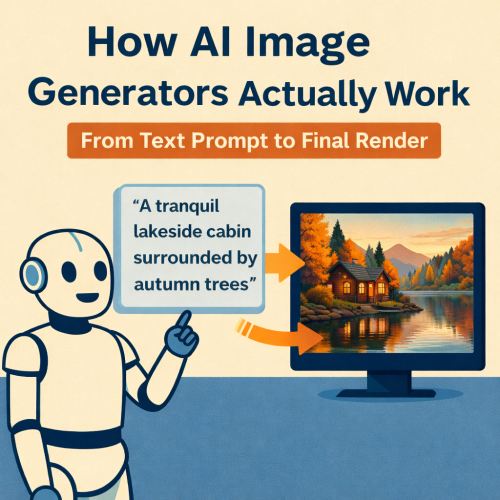
Writers, especially those in fantasy, sci-fi, or gaming genres, now use image generation to visualize worlds before writing them. A writer developing a dystopian novel might prompt an AI with: “Futuristic overgrown ruins, foggy sunrise, soft haze, high-detail realism.” The result becomes a visual anchor - a setting so vividly rendered that it guides the tone, pacing, and sensory language of the story itself.
In music, the connection might seem less obvious, but it's growing rapidly. Album covers, promotional assets, and lyric video backdrops are increasingly created with AI. In 2022, indie artist August Kamp used AI-generated visuals for her ambient synth release Sea to Sea. Her cover image - depicting a cosmic shoreline viewed from orbit - was generated using an open-source model and a multi-pass prompt editing method. She began with a base like “astronaut’s view of ocean, distant stars, digital painting,” and then refined color and depth through image-to-image passes.
The speed is what makes AI tools so transformative. Creatives can produce 10 or 50 concepts in an afternoon, and refine them based on gut reaction. This doesn’t eliminate artistic control — it accelerates decision-making. A musician might not be able to illustrate a mythological creature from a dream, but with a prompt like “serpent made of clouds, floating through cathedral ruins, gothic fantasy style,” they can manifest the vision instantly - and then hand it to a designer for post-production.
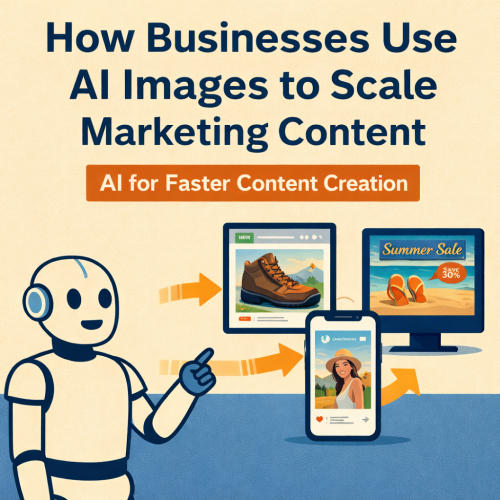
As of 2025, over 60% of digital freelancers report using AI tools in some part of their creative process - not just for ideation, but for deliverables. Platforms like Midjourney, DALL·E, and Stable Diffusion have grown from art toys into industry tools. For creatives, this shift isn’t about replacement. It’s about expansion. AI becomes a collaborator - not the creator, but the amplifier of imagination.
And that amplification may be the most honest use case of all: helping artists make visible what once only lived in the mind.